
 Products by Category
News
Roller Racking Track Replacement
Oct
Following multiple call outs and breakdowns of a major NHS Hospital’s medical records storage system, Storage Aspects have carried out a full track replacement project to extend the lifespan of this critical system.
Access to medical records or patient notes is critical to ensure that medical staff have a full medical history of each patient, these are very often stored as paper files within roller racking or mobile shelving systems. These storage systems provide high density storage of medical records and often receive very heavy use which can lead to wear on key components; system breakdowns can mean that patient critical information cannot be accessed when required and adds risk to the patient. Therefore, ensuring that the roller racking system is always accessible is essential to supporting the treatment of patients. Poorly maintained and damaged systems also pose a safety risk to those using the mobile shelving systems. Planned preventative maintenance (ppm) is key to ensuring that the medical records roller racking is safe to use and continuously available for accessing patient records. Often it is far more cost effective to replace components than replace the whole system, avoiding significant spend from under pressure budgets.


Debris not regularly cleaned from the system including staples, paper clips and rubber bands can cause damage to the tracks and wheels. Without regular cleaning this debris builds up to the point it poses a risk to the ongoing safe operation of the roller racking system.
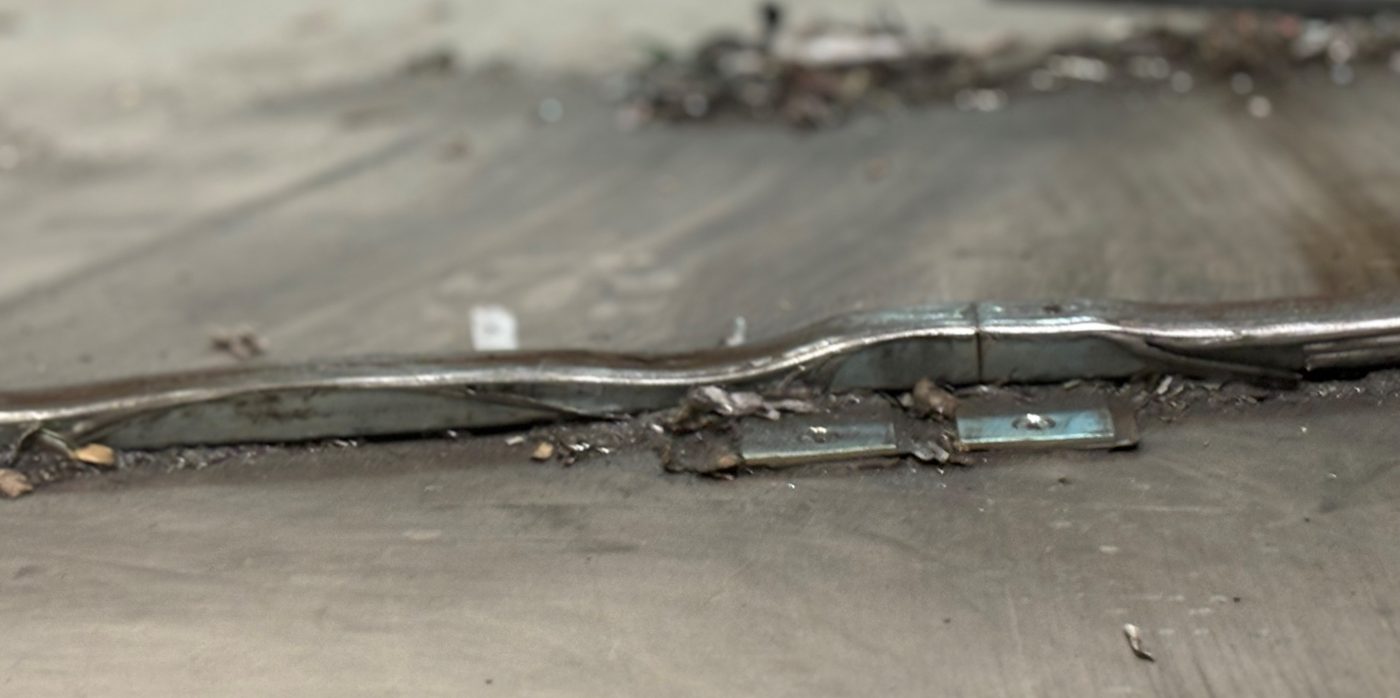
The running tracks can wear over time, but this is greatly accelerated without routine maintenance. Poorly installed tracks can also deform or collapse, leading to dips in the track. This means that the bases get ‘stuck’ in the dip and can be very difficult or even impossible to move. Additionally where there are significant dips the bases can roll under their own weight which poses a safety risk to users. The only remedy to this is to replace the tracks.
If you have a cracked or bouncing floor this is typical of poorly or incorrectly packed infill floor boards. We can replace any damaged floor boards and correctly pack the boards across the floor to avoid future damage and remove deflection or bouncing of the floor.

All medical records are carefully removed from the shelves and stored in numbered crates. This ensures that during the works all notes can still be accessed if required, and that following completion the notes are placed back on the shelves in the same order as which they were removed.
We do not need to dismantle all your roller racking. Often we can remove a small section and by moving each shelving base create enough space to replace the floor and tracks. This reduces the disturbance and impact on the medical records department.
Completed section of track successfully replaced prior to replacement of the medical records, which will be transferred back in the same order as removed. The tracks have been replaced with solid bar tracks, ensuring a smooth and flat running surface for the mobile bases. Correctly shimmed level and supported along their length this will provide many more years of reliable service. At the same time the infill floor has been re-packed to avoid future damage and removal of bouncing sections where previously it was incorrectly installed. Finally all the debris including dust, paperclips and staples has been removed via a thorough clean.

If you have a system that you are concerned about, or with known issues please contact us as we have a vast amount of experience with repairs and targeted parts replacement of roller racking or mobile shelving systems. Our aim is always to repair or carry out critical parts replacement over replacing the whole system, this is a far more cost-effective option than complete replacement. With the focus on digitalization and scanning of medical records it may be that you only need to extend the lift of the storage system for 1-3 years and a focus on preventative maintenance and targeted repairs offers much better value for money vs. a new roller racking system based on the projected future use.
